

ByteByteGo Newsletter
The “ByteByteGo Newsletter” likely delves into a variety of topics related to Python programming, machine learning, and AI based on the content of the referenced documents. It may cover discussions on Python speed optimization, AI applications like Langchain for conversation history retention, and the challenges of enterprise RAG implementations. The newsletter could provide insights on data augmentation for machine learning models, the significance of deterministic architectures in AI, and the importance of understanding and utilizing big data effectively. Overall, it seems to offer a blend of technical insights, practical examples, and industry trends in the realm of programming and AI.
 Visit ByteByteGo Newsletter
How Uber Built a Genie to Answer Questions Correctly
In this article, we will understand how Genie prepares knowledge, retrieves it, and generates answers.
📚 Read more at ByteByteGo Newsletter🔎 Find similar documents
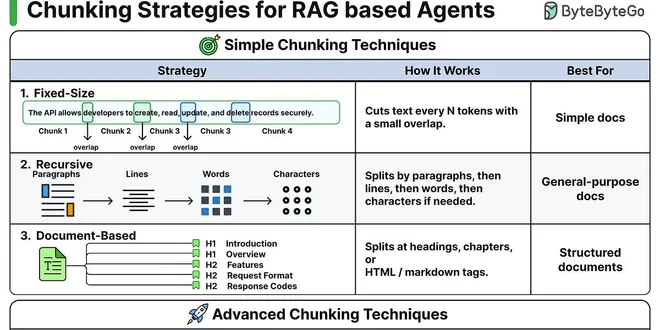
EP229: 8 Chunking strategies for RAG-based agents
Which chunking strategy are you running in production?
📚 Read more at ByteByteGo Newsletter🔎 Find similar documents
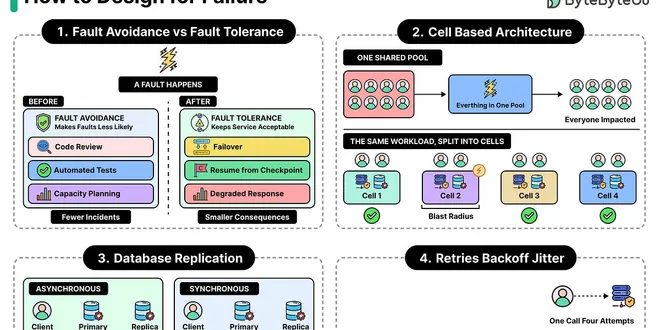
How to Design for Failures
In this article, we’ll look at the various strategies that can help developers deal with failures in their systems.
📚 Read more at ByteByteGo Newsletter🔎 Find similar documents
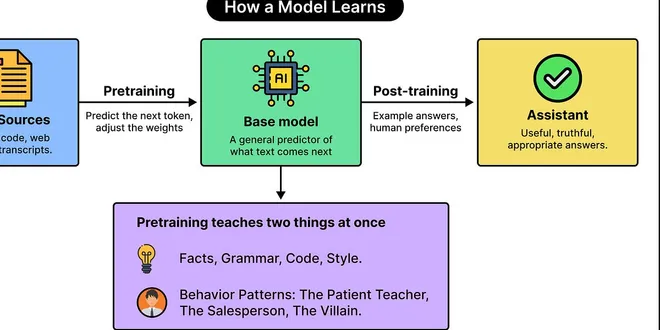
The Terminator Problem: How Teaching an LLM One Bad Habit Can Change Its Behavior
To understand why this happens, we need to connect three ideas: how models learn, how they generalize beyond their examples, and how they exhibit different kinds of behavior.
📚 Read more at ByteByteGo Newsletter🔎 Find similar documents
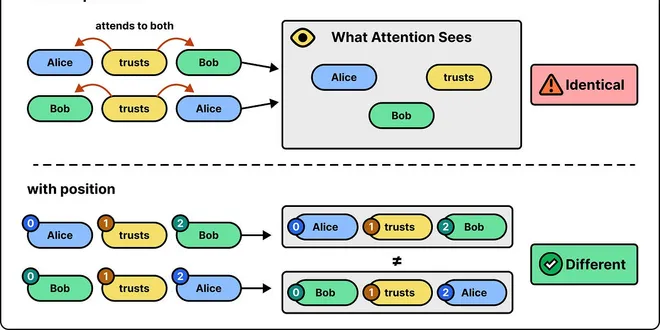
How the Math Used in 19th-Century Heat Physics Helps LLMs Understand Sentences
In this article, we are going to understand how this connection works and why a model needs help understanding the order of the words even when the words already arrive in an ordered list.
📚 Read more at ByteByteGo Newsletter🔎 Find similar documents
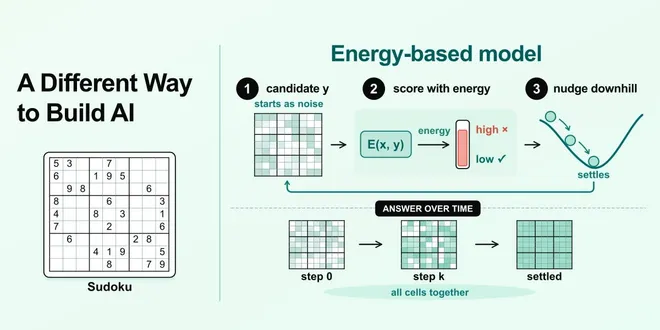
How to Build Models Without Language, with Logical Intelligence
Something unusual happened in a public Sudoku experiment early this year.
📚 Read more at ByteByteGo Newsletter🔎 Find similar documents
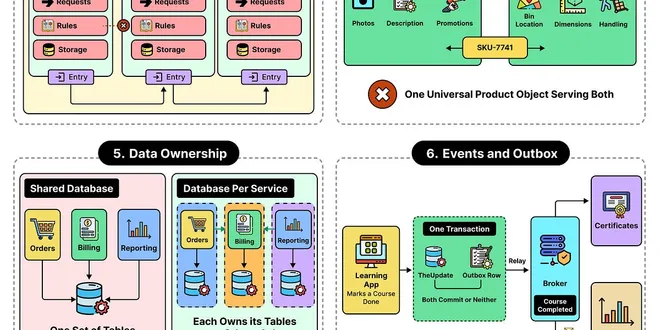
How Software Boundaries Are The Most Important Skill for Developers
In this article, we’ll learn some key strategies that can help a developer make the right boundary-related decisions for the systems they are working on.
📚 Read more at ByteByteGo Newsletter🔎 Find similar documents

How Netflix Taught an LLM to Recommend Movies So That You Keep Watching
In this article, we will look at how GenRec was built.
📚 Read more at ByteByteGo Newsletter🔎 Find similar documents

Why LLMs Agree With You Even When You’re Wrong
When LLMs sometimes agree with incorrect claims, it is mostly because their training rewards such behaviour. This reward system is built on several things at once, such as accuracy, helpfulness, polit...
📚 Read more at ByteByteGo Newsletter🔎 Find similar documents

The LLM Blindspot: Why Models Forget What’s in the Middle of Your Prompt
In this article, we’ll look at why LLMs have this bias against middle information.
📚 Read more at ByteByteGo Newsletter🔎 Find similar documents
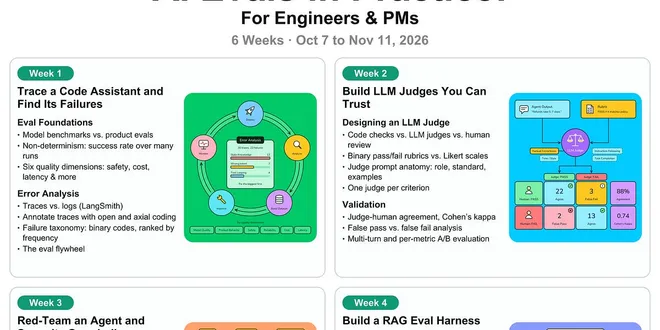
Last 3 days: AI Evals, October cohort
Secure your spot in AI Evals in Practice. Enrollment closes in just 3 days! If you’ve been thinking about joining, now’s the time.
📚 Read more at ByteByteGo Newsletter🔎 Find similar documents
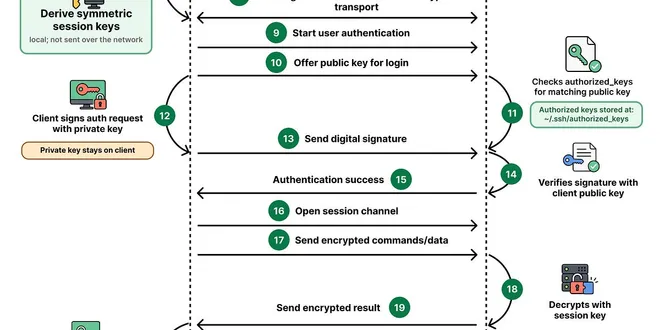
EP228: How SSH Works
Secure shell is a method to access a remote machine securely over an unsecured network. It starts with a TCP connection from the SSH client to the remote machine (SSH server).
📚 Read more at ByteByteGo Newsletter🔎 Find similar documents