

Python in Plain English
“Python in Plain English” is a diverse source covering topics ranging from Python programming speed considerations to AI applications like Langchain’s short-term memory in Postgres databases. The content delves into the practical aspects of Python, such as data augmentation for machine learning and the use of Python scripts in daily routines. Additionally, the source explores the intersection of Python with emerging technologies like Web3, blockchain, and smart contracts. With a focus on real-world applications and practical Python tips, “Python in Plain English” offers a comprehensive guide for both beginners and experienced Python developers.
 Visit Python in Plain English
LangChain Structured Output vs Output Parsers (With Code)
Learn LangChain structured output and output parsers step by step: TypedDict, Pydantic, JSON Schema and four parsers, with runnable code. Continue reading on Python in Plain English
📚 Read more at Python in Plain English🔎 Find similar documents

From Prompt to Python Notebook With the FXMacroData MCP
Connect your coding assistant to economic data, then keep the observations, calculations and charts in a notebook you can rerun Cover image created with AI. US inflation fell from 6.4% in January 202...
📚 Read more at Python in Plain English🔎 Find similar documents

I Built a Python Tool That Finds Hidden Risks in Business Contracts Before They Become Expensive…
I used to think reviewing a contract was mostly about reading carefully and highlighting a few suspicious paragraphs. Then I watched how… Continue reading on Python in Plain English
📚 Read more at Python in Plain English🔎 Find similar documents

I Tested the Best Data Science Interview Prep Platforms: Only These Are Worth Your Time
I tested seven data science interview prep platforms against one real workflow. Image created by the author using Canva I keep getting the same message from people prepping for data science interviews...
📚 Read more at Python in Plain English🔎 Find similar documents

10 Python Libraries Nobody Puts on Lists
You have seen the same libraries in every list. These ten are not among them. Continue reading on Python in Plain English
📚 Read more at Python in Plain English🔎 Find similar documents
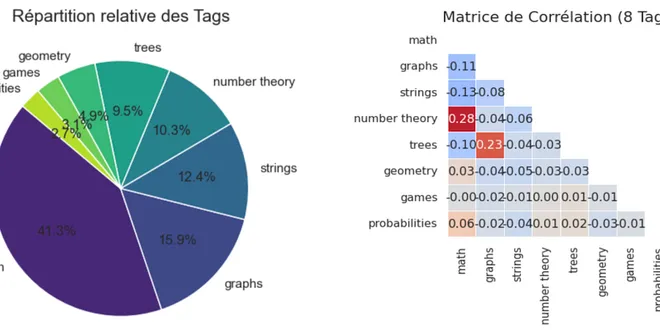
Multi-Label Classification of Algorithmic Exercises: From Logistic regression, to Classifier Chains…
Multi-Label Classification of Algorithmic Exercises: From Logistic regression, to Classifier Chains to CodeBERT In the world of competitive programming, platforms like Codeforces host vast catalogs o...
📚 Read more at Python in Plain English🔎 Find similar documents
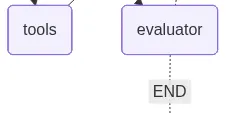
Building an Advanced Personal Worker with LangGraph (Agentic AI)
This article explores how to transition from simple LLM chains to sophisticated, stateful agents using LangGraph. We will break down its core mechanics and walk through a “Sidekick” implementation tha...
📚 Read more at Python in Plain English🔎 Find similar documents

Building Agentic AI Systems with CrewAI: Building a Stock Picker
The shift from standard chatbots to agentic AI systems marks a significant evolution in how we interact with technology. Instead of simply generating text, agentic AI involves autonomous agents that c...
📚 Read more at Python in Plain English🔎 Find similar documents

LangChain Chains Explained: Sequential, Parallel and Conditional Chains with Runnables
One LLM call is easy. Real applications need several of them wired together: one step feeds the next, two run side by side, and a decision… Continue reading on Python in Plain English
📚 Read more at Python in Plain English🔎 Find similar documents

12 GitHub Repos Going Viral This Week That Are Actually Worth Installing
At two in the morning last Tuesday I had eleven browser tabs open and a cup of coffee gone cold next to the keyboard. Continue reading on Python in Plain English
📚 Read more at Python in Plain English🔎 Find similar documents

LGGS: Faster Follow-Up Brain MRI Using the Patient’s Last Scan
AI-assistance disclosure: I drafted this article with AI assistance, then edited it and fact-checked every number against the paper (arXiv:2610.22643). Originally published on pycad.co, the canonical ...
📚 Read more at Python in Plain English🔎 Find similar documents
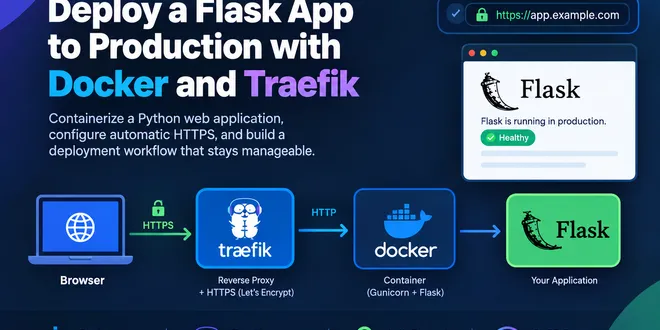
Deploy a Flask App to Production with Docker and Traefik
Containerize a Python web application, configure automatic HTTPS, and build a deployment workflow that stays manageable after the first… Continue reading on Python in Plain English
📚 Read more at Python in Plain English🔎 Find similar documents